Seal Your Crawl Space and Control Moisture
Vapor barriers and drainage systems for crawl spaces in Norristown, Pennsylvania.
You open the crawl space door and the smell of mold and damp earth fills the air. The floor joists above are dark with moisture, and you can see standing water in the low spots. Crawl spaces in southeastern Pennsylvania homes often deal with high humidity and groundwater intrusion because the soil stays moist year-round and vents allow outdoor air to bring in more moisture during warm months.
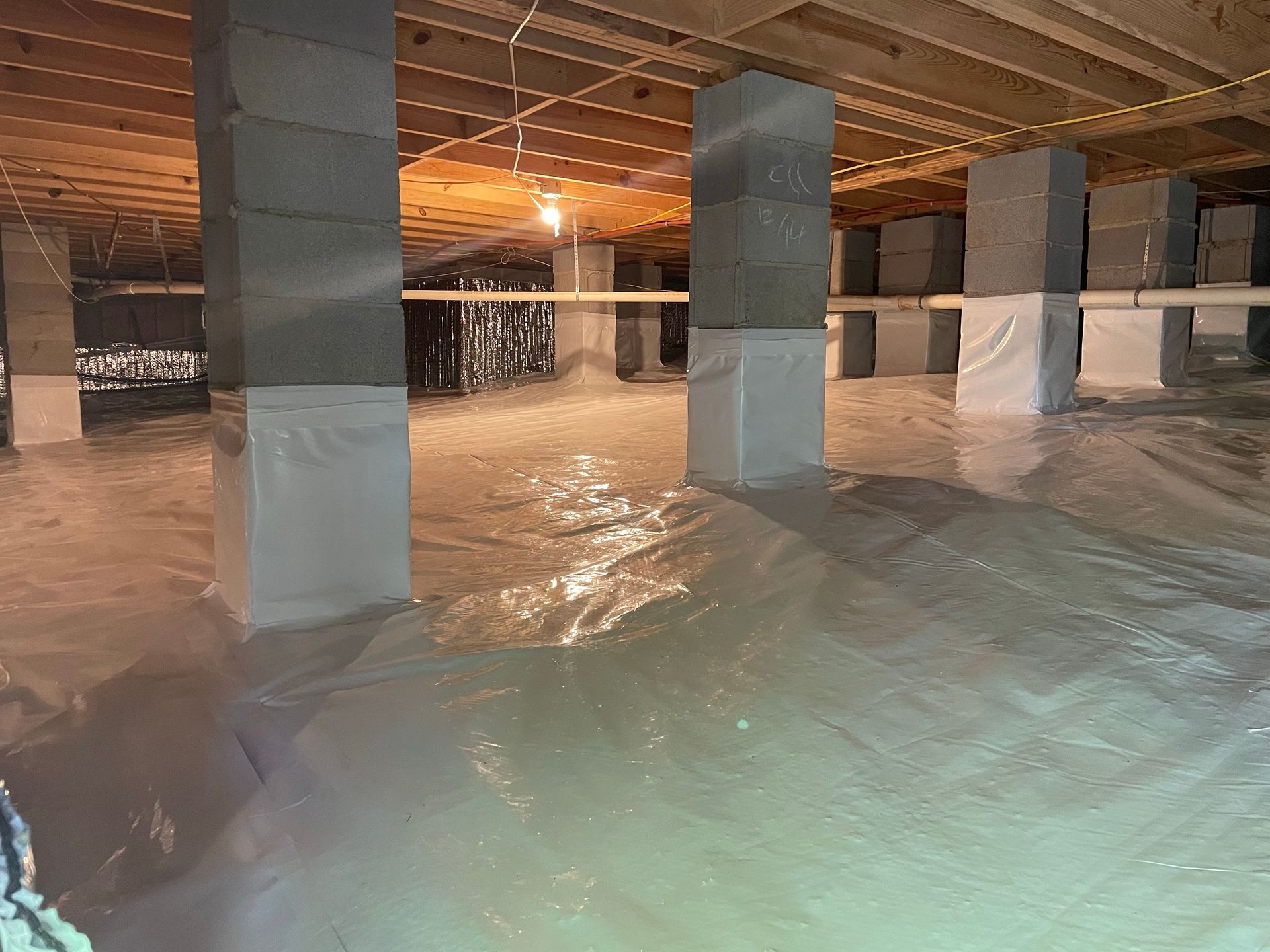
Tru Basement Waterproofing, Inc. seals crawl spaces by installing heavy-duty vapor barriers across the floor and up the foundation walls, combined with drainage components tailored to your home. The vapor barrier blocks moisture from the soil, while perimeter drains or sump systems remove any water that enters. Encapsulation is designed to withstand local groundwater levels and seasonal weather changes, and it helps improve indoor air quality and energy efficiency by stopping humid air from rising into your living space.
If your crawl space smells musty, shows visible mold, or has standing water, you can reach out to Tru Basement Waterproofing, Inc. in Norristown to discuss encapsulation options.
What Changes After Your Crawl Space Is Sealed
Your crawl space becomes a sealed, controlled environment once the barrier is installed. Crews in Norristown begin by removing debris, leveling the soil, and addressing any standing water with a sump pump or drainage trench. Then they roll out a reinforced polyethylene vapor barrier, typically ten to twenty mils thick, and seal all seams with waterproof tape. The barrier extends up the walls and around piers, and vents are sealed to prevent outside air from entering.
After encapsulation, the crawl space smells clean instead of musty, the air feels dry, and you no longer see condensation on floor joists or ductwork. Your floors above feel warmer in winter because the crawl space is no longer pulling in cold, damp air from outside.
Encapsulation does not repair structural wood damage, replace insulation, or treat existing mold, but it does stop new moisture from entering and prevents future growth. Some installations include a dehumidifier to maintain ideal humidity levels year-round, especially in crawl spaces with limited airflow or recurring dampness.
Answers to help you decide what your crawl space needs
Homeowners in Norristown often want to know how encapsulation affects heating costs, whether it works in older homes, and what happens to the crawl space after heavy rain.
What does crawl space encapsulation include?
Crews install a heavy-duty vapor barrier across the crawl space floor and walls, seal all seams and vents, and add drainage or a sump pump if needed. The space is sealed from ground moisture and outside air.
How does encapsulation help with energy bills?
Sealing the crawl space stops humid outdoor air from entering, which reduces the load on your HVAC system. Your floors stay warmer in winter and your home holds temperature more consistently.
What happens during heavy rain after encapsulation?
Water that used to pool in your crawl space is now directed into a drainage system or sump pump and removed before it reaches the barrier. The space stays dry and the barrier remains intact.
Why do crawl spaces in southeastern Pennsylvania stay damp?
The soil retains moisture year-round, and traditional vented crawl spaces pull in humid outdoor air during warm months. Encapsulation blocks both sources and keeps humidity under control.
What is not included in encapsulation?
Encapsulation seals the crawl space but does not repair rotted joists, remove existing mold, or replace damaged insulation. Those issues are addressed separately before or after the barrier is installed.
Tru Basement Waterproofing, Inc. serves homeowners throughout Norristown and nearby communities, including older homes with vented crawl spaces and recurring moisture problems. You can contact the team to schedule an evaluation and protect your home from ground-up moisture issues.
Crawl Space Encapsulation in Norristown, PA
A crawl space can affect the comfort and condition of your entire home when moisture is allowed to collect beneath it. In Norristown and throughout Montgomery County, crawl spaces can develop problems such as standing water, high humidity, mold growth, cold floors, and persistent musty odors. These conditions can make the space unpleasant while also contributing to moisture-related damage and poor indoor comfort.
Tru Basement Waterproofing Inc. provides crawl space encapsulation designed to create a cleaner, drier, more controlled environment beneath your home. We address the sources and effects of crawl space moisture so homeowners can better protect their property and improve conditions throughout the home.
Crawl Space Problems We Help Address
- Standing Water: Water collecting in a crawl space can keep the area damp and contribute to ongoing moisture problems. Before encapsulation, we evaluate the crawl space to identify where water is coming from and determine the appropriate approach for controlling it.
- Mold and Moisture: Damp crawl spaces create conditions where mold can develop on wood and other surfaces. Controlling moisture is an important part of creating a healthier, more stable crawl space environment.
- High Humidity: Even when there is no visible standing water, elevated humidity can keep a crawl space consistently damp. Encapsulation helps separate the crawl space from outside moisture, while dehumidification can help maintain appropriate humidity levels.
- Cold Floors: A damp, poorly conditioned crawl space can contribute to cold floors above it. Improving the crawl space environment can help make floors and rooms above the space more comfortable.
- Musty Odors: Persistent musty smells can be a sign that moisture is accumulating below the home. Addressing the underlying moisture conditions can help reduce the sources of these odors.
Vapor Barriers and Dehumidification
A properly encapsulated crawl space involves more than simply covering the floor. Vapor barriers are an important part of the process because they help prevent moisture from the soil from entering the crawl space. We install an appropriate vapor barrier as part of the encapsulation system to help create a more controlled environment.
Dehumidification can also be an important component when humidity remains a concern. A crawl space dehumidifier helps manage excess moisture in the air and supports the dry conditions that encapsulation is intended to create. Depending on the condition of your crawl space, we can evaluate whether additional moisture-control measures are appropriate.
Crawl Space Encapsulation for Montgomery County Homes
Every crawl space has different moisture conditions, which is why we begin by evaluating the space rather than applying the same solution to every home. For homeowners in Norristown and throughout Montgomery County, Tru Basement Waterproofing Inc. can assess concerns such as water intrusion, excessive humidity, odors, and visible moisture before recommending the appropriate crawl space solution.
If your crawl space has standing water, mold, high humidity, cold floors, or a persistent musty smell, don't ignore the problem. Contact Tru Basement Waterproofing Inc. to schedule your free inspection and free estimate and find out what can be done to improve the condition of your Norristown, PA crawl space.